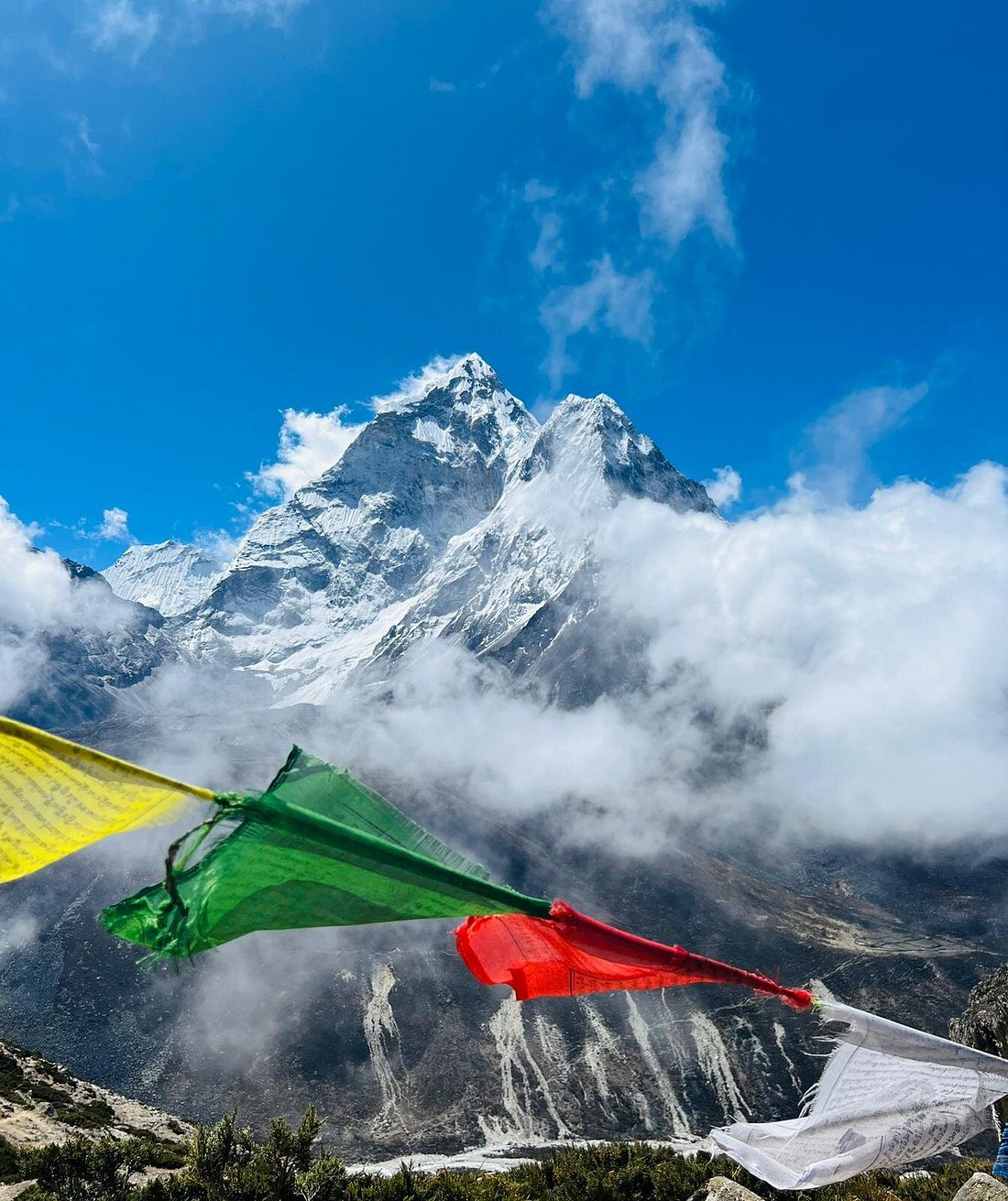
Nepal offers some of the most beautiful trekking routes in the world. From gentle treks along the foothills of the Himalayas to challenging high altitude passes. No matter if you're a new to trekking looking for a short trek or you're an experienced hiker wishing to tackle high altitude passes across the Himalayas there is something to suit every level.
However, not all routes are the same. Some offer easy walking through traditional villages and forest. Whilst others will require a high level of fitness and prior trekking experience and the ability to cope with high altitudes.
To understand what trekking grade, you'll be doing it's important to know that treks are generally graded based on how high they are, how many hours you'll be walking per day, the terrain of the trail, how much ascent/descent there is, how remote it is and how physically demanding it is.
Let's take a look at the various trekking grades available in Nepal.
1. Easy Trek (Grade 1)
Easy treks are perfect for those who are new to trekking, families or for those that wish to enjoy the stunning views of the Himalayas but do not want to exert themselves.
These treks will usually consist of very well-established paths, passing through villages, forests and beautiful landscapes. Most treks of this difficulty level will have a short walking time.
Features:
Walking times: 4-5 hours per day
Max altitude: Up to approximately 3,500m (11,482 feet)
Terrain: Good paths, easy climbs and descents
Fitness: Basic level of fitness
Experience: No previous experience required
Recommended Treks: Ghorepani Poon Hill, Khumai Danda, Nagarkot to Dhulikhel, Dhampus Australian Camp, Heritage Trail, Pikey Peak, Ama Yangri Peak etc.
Recommended for: Beginner trekkers, families, elderly trekkers who are fit enough and those wanting an easy trek in the Himalayas.
2. Moderate Trek (Grade 2)
The trekking hours increase, and you will go up and down much steeper gradients. As you get deeper into the mountains you will be walking at higher altitudes.
Previous trekking experience is helpful but many of these routes can be completed by those new to trekking with decent fitness levels and preparation.
Features:
Walking time: 5-7 hours per day
Maximum altitude: Approximately between 3,500m (11,482 feet) to 4,500m (14,763 feet)
Terrain: Rocky paths, stone steps, forest tracks and rough mountain terrain
Fitness: Good level of fitness required
Experience: Helpful but not essential
Recommended Treks: Annapurna Base Camp, Mardi Himal, Langtang Valley, Gosaikunda Lake, Khopra Ridge, Upper Mustang etc.
Recommended for: This grade is perfect for those that like to regularly go hiking, have a decent level of stamina and are happy to walk for several hours on a daily basis in mountainous areas.
3. Strenuous Trek (Grade 3)
Strenuous treks will require you to walk for long periods of time with high gains in altitude. The terrain can be quite tough with steep mountainous paths, rocky areas and cooler temperatures. It is important for you to properly acclimatize.
Features:
Walking duration: 6-8 hours a day
Maximum altitude: Approximately between 4,500m (14,763 feet) to 5,500m (18,044 feet)
Terrain: Steep climbs, rocky paths, glaciers and high mountain passes
Fitness: High level of fitness required and previous experience recommended
Recommended treks: Everest Base Camp, Annapurna Circuit, Manaslu Circuit, Gokyo Lakes, Upper Dolpo, Rolwaling Valley etc.
Recommended for: Physically fit trekkers with previous hiking experience over multiple days and are prepared for high altitude challenges.
4. Challenging Trek (Grade 4)
Challenging treks are designed for experienced adventurers looking for a more challenging trip in the Himalayas. These treks often include high passes, remote valleys and challenging terrain.
They can also have some sections of snow, glaciers, rocky inclines and uncertain mountainous weather.
Features:
Walking time: 7-9 hours per day (sometimes more)
Maximum altitude: Approximately between 5,000m to 6,000m
Terrain: High Mountain passes, remote paths, snow, glaciers
Fitness: Must be very fit
Experience: Highly recommended
Recommended Treks: Everest Three Passes, Dhaulagiri Circuit, Manaslu Circuit with Tsum Valley, Kanchenjunga Circuit, Nar Phu Valley, Upper Dolpo Circuit, Makalu Base Camp etc.
Recommended for: This grade of trek is best suited for experienced trekkers who have had previous experience of high-altitude treks. You will need to be very fit and able to cope with challenging mountainous conditions.
5. Technical Trekking and Mountaineering (Grade 5)
Technical treks are another category of adventure while exploring in the Himalayas. Technical treks can involve using specific mountaineering equipment and technical skills. Depending on your route and mountain you may require specialist equipment such as crampons, ice axes, climbing rope, harness and more.
Features:
Walking and climbing duration: 6-10 hours +
Maximum Altitude: Approximately from 5,500m (18,044 feet) to above 6,000m (19,685 feet)
Terrain: Glacier, Snowy Slopes, Ridgetops and climbing
Fitness: Extremely fit
Experience: Some mountaineering experience or technical training
Recommended Adventures: Island Peak Climbing, Mera Peak Climbing, Lobuche East Peak Climbing, Pisang Peak Climbing, Chulu East Peak Climbing etc.
Recommended for: This grading is ideal for adventurous travelers who are very fit and keen to get involved in some mountaineering. You will be able to gain or use some technical climbing skills while being guided by qualified mountain guides.
Factors That Determine Trekking Difficulty
The difficulty of the trek may not necessarily depend on how high the altitude is.
Below are some key factors which can affect the difficulty of a trek.
1. Altitude and Acclimatization
With increasing altitude, less oxygen is available in the air. Therefore, becoming acclimatized and increasing altitude gradually can help reduce the risk of altitude sickness.
2. Daily Walking/Hiking Hours
Hiking for 5 hours at a low altitude is very different to hiking for 5 hours above 4500m. If you hike for longer periods of time, you must have good endurance.
3. Trail Conditions
In Nepal there are a variety of different terrains. You may be on smooth stone paths, steep steps, rocky ground, crossing rivers, snowy areas or glacial areas.
4. Elevation Gain and Loss
If you are continually walking up hills you need good cardiovascular endurance. Descending long slopes can put significant strain on your knees and legs.
5. Weather and Temperature
Weather conditions in mountain areas can be very unpredictable. If it is cold, snowy, windy or rainy it can make the trails much harder to complete.
6. Trekking Duration and Remoteness
Going on long treks in remote mountainous regions will mean that you need more endurance. As facilities may be limited in these locations, you must be well prepared and adaptable.
How to Prepare for Your Trek in Nepal
To prepare for trekking of any level:
- Get yourself fit by doing cardio exercise such as walking, running, cycling, swimming and hiking.
- Strengthen your legs with exercises such as squats, lunges, step ups and climbing stairs.
- Walk with a rucksack. Gradually increase the weight of the rucksack.
- Ensure you have suitable equipment. Comfortable hiking boots, good layers of clothing, a suitable rucksack and walking sticks.
- Know what altitude sickness is. Be able to identify symptoms and ensure you allow yourself enough time to acclimatize.
- Drink plenty of fluids.
- Be sensible with the route that you choose. Don’t rush, especially above 3,000m.
Even if you are very fit, altitude sickness can still affect you. Ensuring proper acclimatization is important for everyone.
Which Trekking Grade Is Right for You?
Depending on how fit you are, how much experience you have and how much time you have, you can choose between different difficulty levels.
If you’re new to trekking in the Himalayas we recommend doing one of the easier routes, like Ghorepani Poon Hill or the Tamang Heritage Trail.
If you have previous hiking experience, you could try Mardi Himal, Langtang Valley or Annapurna Base Camp.
For more experienced trekkers, we recommend trying Everest Base Camp, Manaslu Circuit or Annapurna Circuit.
Finally, if you want a more intense trek, we recommend Everest Three Passes, Dhaulagiri Circuit, Island Peak or Lobuche East (technical climbs).
Plan Your Himalayan Trek with Neepa Adventure
Our certified mountain guides and Sherpa logistics team design bespoke itineraries, manage permits, and guarantee satellite safety telemetry.